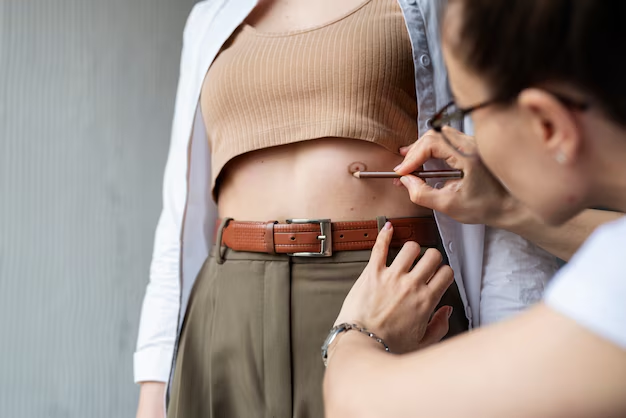
- Nonsurgical body contouring uses cold, heat, light or sound energy to reduce small areas of stubborn fat or tighten skin, with no incisions.
- Body contouring is not a weight loss treatment; it works best for people near their goal weight.
- Results appear gradually over weeks to months, many people need more than one session, and results vary.
Non-surgical body contouring is a popular way to refine your body shape without surgery. These treatments involve no incisions and minimal downtime for most patients, and results develop gradually for a natural look. In this guide, we explore common noninvasive body sculpting methods, including cryolipolysis, laser fat reduction, radiofrequency and ultrasound, and explain how they work, their benefits and risks, and what to expect, so you can make informed choices about your goals. Hyatt Health offers noninvasive body contouring through our med spa, starting with a complimentary, no obligation consultation.
Popular Nonsurgical Body Sculpting Treatments
These procedures help reduce small pockets of unwanted fat and tighten skin without surgery. Cryolipolysis (fat freezing), laser fat reduction, radiofrequency (RF) and ultrasound contouring each use a different type of energy suited to different needs. Here is how they work and what they offer.
Body contouring is not a weight loss treatment; it works best for people near their goal weight. The FDA notes that noninvasive body contouring does not treat obesity and will not result in weight loss.
Understanding Cryolipolysis
Cryolipolysis uses controlled cooling to damage fat cells, which your body then clears naturally over the following weeks. A device applies cooling to areas such as the abdomen, thighs or arms while protecting the surrounding tissue. Changes can start to show within a few weeks and continue to improve for up to about three months. Many people choose cryolipolysis for targeted fat reduction with minimal downtime.
Laser Fat Reduction
Laser fat reduction uses focused light energy to heat and damage fat cells beneath the skin. It is noninvasive, with no incisions, and most people return to their usual routine the same day. Many patients describe the sensation as warm, similar to a massage, although some feel mild discomfort. Laser treatments aim for smooth, even fat reduction in the treated area.
Skin Tightening: Radiofrequency and Ultrasound
Radiofrequency and ultrasound treatments aim to improve skin firmness by stimulating collagen production. RF heats deeper layers of skin and fat to tighten skin and improve texture, and it is used on areas such as the face, abdomen and thighs. Ultrasound uses sound waves to boost collagen or disrupt fat cells. Most people need little or no recovery time, though some feel temporary warmth or discomfort during treatment.
| Treatment | Energy used | Typical sessions |
|---|---|---|
| Cryolipolysis | Controlled cooling | Usually 2 |
| Laser fat reduction | Focused light that heats fat cells | Varies by device |
| Radiofrequency | Heat delivered to skin and fat layers | 4 to 10 |
| Ultrasound | Sound waves | 1 to 3 |
Session estimates for cryolipolysis, radiofrequency and ultrasound come from the American Academy of Dermatology. Your own plan depends on the device, the area and your goals.
Safety, Effectiveness and Recovery
These treatments are generally well tolerated. The FDA lists common side effects such as pain or discomfort, redness, swelling, bruising and small lumps you can feel under the skin, and most are temporary. A rare complication of cryolipolysis, called paradoxical adipose hyperplasia, causes fat in the treated area to grow instead of shrink, usually 2 to 5 months after treatment, and it may require surgery to correct.
Because treated fat cells are cleared from the body, results can last months to years with a stable weight and a healthy lifestyle. Remaining fat cells can still grow if you gain weight. Your provider can help you choose an option based on your goals and health history, including whether a device is FDA cleared for the area you want to treat.
Patient Experiences and Expectations
Many people report satisfaction with nonsurgical methods and appreciate how easily treatments fit into busy schedules. Most need more than one session for the results they want. According to the American Academy of Dermatology, changes can appear as soon as 3 weeks, and most people see the full effect between 3 and 6 months after their last treatment. Results vary from person to person. If you are also looking at smoother, firmer skin, our guide to skin rejuvenation treatments covers lasers, peels and microneedling.
Latest Trends and Innovations
Body contouring technology continues to evolve, with newer devices, applicators and treatment planning tools designed to personalize care. Growing demand and awareness have also pushed improvements in comfort and patient experience. When a clinic offers a newer technology, it is reasonable to ask what evidence supports it and whether the device is FDA cleared for your treatment area.
If your main goal is to lose weight rather than reshape one area, read our guide to medical weight loss programs, or see how nonsurgical body shaping can fit into a broader wellness plan.
Frequently Asked Questions
What happens during a body contouring consultation?
A licensed medical professional discusses your goals, evaluates the areas you want to treat, explains your options, risks and recovery, and answers your questions to create a personalized plan. At Hyatt Health, the consultation is complimentary and comes with no obligation.
Are body contouring treatments suitable for everyone?
They are best for healthy adults close to their goal weight who want to reshape a small area of stubborn fat. Body contouring is not a weight loss treatment, and some medical conditions may affect eligibility, so a professional evaluation comes first.
How do I choose the right treatment?
The right choice depends on your goals, the areas you want to treat and your health. A provider can walk you through options such as cryolipolysis, laser, radiofrequency or ultrasound and explain which technology the clinic uses.
What does body contouring cost?
Costs vary by procedure, the number of areas treated and the number of sessions. You can get pricing for your personalized plan during a complimentary consultation.
How many treatments are needed?
Many people need 2 or 3 sessions spaced weeks apart, though some technologies, such as radiofrequency, often require more. Your provider will personalize your plan.
Explore Body Contouring at Hyatt Health
Start with a complimentary, no obligation consultation with a licensed medical professional to see whether body contouring fits your goals. Results vary.
Sources
This article is for general education and does not replace advice from your own provider.