- Laser resurfacing, chemical peels, microneedling, IPL and radiofrequency each work differently, and recovery ranges from almost none to a few weeks.
- For acne scars, microneedling usually takes 3 to 5 sessions spaced 2 to 4 weeks apart.
- Daily sunscreen and careful aftercare help protect your results, and results vary from person to person.
Looking to refresh your skin’s appearance without surgery? Skin rejuvenation treatments offer noninvasive and minimally invasive ways to soften fine lines, even out skin tone and improve firmness. This guide from Hyatt Health covers popular options, including laser skin resurfacing, chemical peels, microneedling, IPL and radiofrequency, and explains how each one works, what recovery looks like, how to stay safe and what results are realistic.
Main Types of Nonsurgical Skin Rejuvenation
Nonsurgical treatments improve skin texture and tone by triggering the skin’s natural healing response, which encourages collagen growth and cell renewal. At Hyatt Health, our med spa offers IPL, laser resurfacing, photofacials, microneedling with PRP and medical grade chemical peels, each performed by licensed medical professionals. If you are also comparing facials, our guide to med spa facial treatments walks through more options. The most common rejuvenation methods are described below.
Laser Skin Resurfacing
Laser resurfacing uses focused light energy to remove or heat the outer layers of skin, addressing wrinkles, sun damage and blemishes. As the skin heals, it builds new collagen, which can leave it smoother and clearer, with softer fine lines and less visible pores. Recovery depends on the type of laser. The American Academy of Dermatology notes that more intensive laser resurfacing can mean staying home for 5 to 7 days, with tightening and fewer wrinkles visible within about 2 weeks after healing. Gentler lasers involve less downtime but usually need multiple sessions for noticeable improvement.
Chemical Peels
A chemical peel applies a solution that exfoliates the skin, revealing fresher layers beneath. Peels come in three depths:
- Superficial: Gentle enough for many skin types and well suited to dryness, rough texture and mild unevenness. Healing usually takes 1 to 7 days.
- Medium: Targets sun damage, age spots and moderate wrinkles. Healing usually takes 7 to 14 days.
- Deep: Reserved for more severe imperfections, with the longest recovery, about 14 to 21 days.
These healing times come from the American Academy of Dermatology’s chemical peel FAQs. A professional consultation helps match the right peel to your skin and goals.
Microneedling and Radiofrequency (RF)
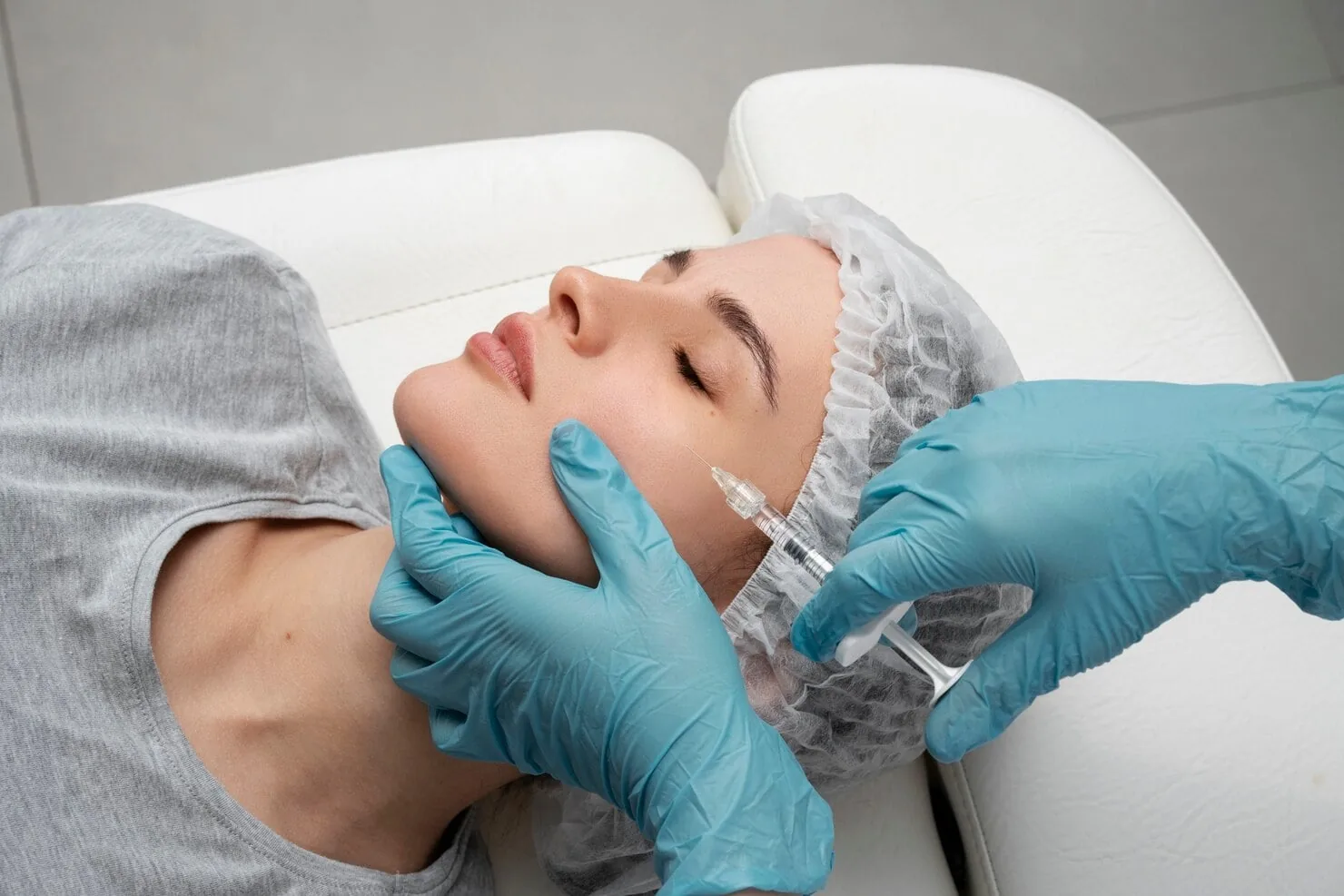
Microneedling uses tiny needles to create controlled micro punctures in the skin, which prompts the body to make new collagen and elastin. It is used to improve acne scars, uneven texture and tone, and fine lines. For acne scars, the AAD notes that many people need 3 to 5 treatments spaced 2 to 4 weeks apart, and that adding heat or platelet rich plasma (PRP) can increase collagen production. Improvements build gradually and can last for months. Combining microneedling with radiofrequency adds heat to deeper layers, which may enhance tightening.
IPL and Radiofrequency for Tightening
IPL (intense pulsed light) uses broad spectrum light to reduce pigmentation, such as sun spots, and may stimulate collagen. Radiofrequency heats deeper layers of skin to help lift and firm. Both usually involve little downtime, and results from noninvasive radiofrequency tend to build gradually over several months. Newer RF devices include cooling features to improve comfort during treatment.
Safety and Aftercare
Nonsurgical skin rejuvenation is generally low risk when performed by trained, licensed professionals, although temporary side effects such as redness, swelling or peeling are common. Key safety tips:
- Microneedling: Wait if you have a skin infection, a tan or painful acne breakouts, and tell your provider if you heal slowly, form keloids or have a weakened immune system.
- Laser resurfacing: Watch for pigment changes and follow aftercare instructions closely.
- Chemical peels: Follow your provider’s sun avoidance instructions, which are strictest after deeper peels.
| Treatment | Typical recovery |
|---|---|
| Superficial chemical peel | 1 to 7 days |
| Medium chemical peel | 7 to 14 days |
| Deep chemical peel | 14 to 21 days |
| Microneedling | Redness or darkening that usually fades in a few days to a week |
| Intensive laser resurfacing | About 5 to 7 days at home |
| IPL and radiofrequency | Little downtime for most people |
People with darker skin tones can have chemical peels, but the AAD advises seeing a provider with expertise in treating darker skin tones, because the wrong approach can cause lasting pigment problems. Lasers can also cause pigment changes, so share your full skin history during your consultation.
Post Treatment Care
- Wear broad spectrum sunscreen every day. Daily sunscreen also helps you maintain your results.
- Keep skin hydrated and avoid harsh products for a few days.
- Follow your provider’s aftercare advice and call the clinic if you notice anything unusual.
Combining Treatments for Enhanced Results
Combining methods, such as microneedling with PRP or laser with radiofrequency, may improve tightening and texture more than a single treatment. Topical antioxidants such as vitamins C and E are often recommended to support healing.
How Combination Therapy Helps
Using more than one treatment can stimulate collagen in different ways, offering both short term and longer lasting improvements tailored to your needs. Combining lasers with radiofrequency or IPL may enhance results with milder side effects than a single, more aggressive treatment, but not every combination suits every skin type. During a complimentary consultation, your provider can plan the order and timing of treatments so your skin has time to heal between sessions.
Expected Results and Longevity
Results depend on the treatment, your skin and how you care for it afterward. With ongoing care, they often last months to years. As general examples:
- Microneedling: Improvements often last about 6 to 12 months, and maintenance sessions are common.
- Laser treatments: Benefits can last 1 to 3 years with maintenance and sun protection.
Skin type, age and lifestyle factors such as sun exposure, smoking and diet all affect how long results last, and results vary from person to person. For wrinkles caused by repeated muscle movement, injectables are a different approach; our guide to Botox and dermal fillers explains how they compare.
Frequently Asked Questions
What happens during a skin rejuvenation session?
Sessions start with a skin assessment and may include a numbing cream. Treatments such as microneedling or laser typically take 30 minutes to a few hours, depending on the area. Temporary redness or swelling afterward is common.
Who is a good candidate for skin rejuvenation?
Many adults who want to improve mild to moderate concerns, such as fine lines, sun damage, scars or uneven tone, without surgery. A consultation helps your provider build a plan that fits your skin and health history.
How long is recovery?
Microneedling usually causes redness that fades within a few days to a week. Laser resurfacing and deeper chemical peels can require days to weeks. Following your aftercare instructions supports smooth healing.
How many sessions will I need?
Many treatments involve 3 to 6 sessions spaced weeks apart, depending on your skin and goals. More intensive treatments may need fewer sessions but longer recovery.
Can skin rejuvenation treatments be combined?
Yes, in many cases. Combinations can improve results when a licensed professional who knows your skin and health history plans and spaces them.
Plan Your Skin Rejuvenation at Hyatt Health
Start with a complimentary, no obligation consultation with a licensed medical professional. Results vary, and we will help you choose treatments that fit your skin and goals.
Sources
This article is for general education and does not replace advice from your own provider.