
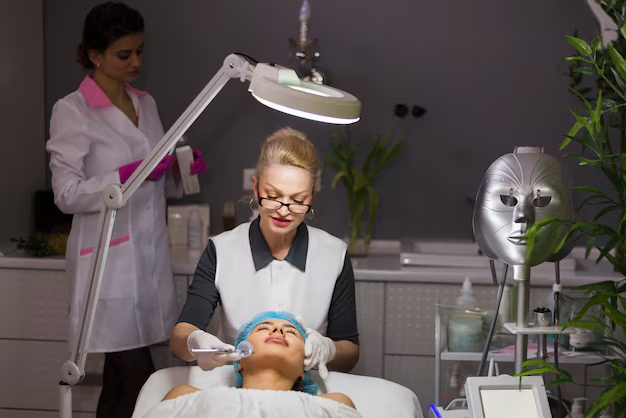
- Microneedling, chemical peels and laser resurfacing work in different ways and have different downtime, so a consultation helps match treatment to your skin.
- At Hyatt Health, med spa options include microneedling with PRP, medical grade chemical peels, IPL, photofacials and laser resurfacing.
- Results vary, and most facial treatments need maintenance because skin keeps changing over time.
Med spa facial treatments offer gentle, nonsurgical ways to refresh your skin. From microneedling to chemical peels, these minimally invasive procedures can improve complexion, texture and skin health. Understanding each treatment helps you choose an option that fits your skincare goals.
Let’s explore popular treatments like microneedling, chemical peels, LED therapy, HydraFacial and laser skin resurfacing, their potential benefits and what you can expect. By the end, you will feel more confident talking with a provider about the right treatment for your natural glow.
What Are Med Spa Facial Treatments and Why Try Them?
Med spa facial treatments use advanced techniques to address concerns like fine lines, wrinkles, acne scars and uneven texture. Potential benefits include more collagen, smoother skin and better hydration, without surgery and usually with less downtime. At Hyatt Health, every treatment starts with a complimentary, no obligation consultation and is performed by licensed medical professionals. For wrinkles caused by facial movement, see our guide to Botox and dermal fillers.
| Treatment | Potential benefit | Typical session length |
|---|---|---|
| Microneedling | Boosts collagen for smoother skin | 60 to 90 minutes |
| Chemical peels | Removes dead skin for brightness | 30 to 60 minutes |
| LED therapy | May support healing and calm inflammation | 20 to 30 minutes |
| HydraFacial | Cleanses and hydrates | 30 to 45 minutes |
| Laser skin resurfacing | Can reduce wrinkles and scars | 30 to 120 minutes |
Session lengths are general estimates and vary by clinic, treatment area and your skin’s needs.
Microneedling: How It Works
By creating tiny, controlled micro injuries, microneedling triggers your skin’s natural repair process, boosting collagen and improving elasticity. The American Academy of Dermatology notes it can help fade acne scars, dark spots, large pores, uneven texture, and fine lines and wrinkles. Results develop gradually as new collagen forms, and results vary.
At Hyatt Health, microneedling is offered with PRP (platelet rich plasma). PRP is prepared from a small sample of your own blood, which is spun to concentrate the platelets and then applied to freshly microneedled skin.
Your Microneedling Session: What to Expect
- Preparation: Skin is cleansed, and numbing cream is applied if needed.
- Treatment: A microneedling device creates tiny channels in the skin to encourage collagen production.
- Aftercare: Soothing serums are applied, and sun protection is key for recovery.
Many people see smoother skin over the following weeks and months. Mild redness or swelling may occur and usually fades within a few days to a week.
Chemical Peels: Getting the Glow
Chemical peels exfoliate dead skin to brighten and even tone. They come in light, medium and deep strengths to fit your skin needs, and they can help reduce the look of acne scars, hyperpigmentation and rough texture. Hyatt Health offers medical grade chemical peels, and your provider will recommend a strength during your consultation.
- Acne scars: May soften the appearance of scars.
- Uneven tone: Helps even skin color and brighten.
- Texture: Smooths and refines the skin surface.
Recovery involves moisturizing, using sunscreen and avoiding irritants while skin heals. Deeper peels need more downtime and stricter sun avoidance, and the American Academy of Dermatology cautions that people with skin of color can develop lasting pigment problems if a peel is done without the right expertise.
LED Therapy: Support Healing and Calm Skin
This gentle light treatment is often used alongside other procedures to support healing and reduce inflammation, and it does not use UV light. Cleveland Clinic notes it is used for concerns such as acne, rosacea and wound healing, and that it appears safe in the short term, though less is known about long term safety. Regular sessions are usually needed to see results.
HydraFacial: Deep Cleanse and Hydrate
The HydraFacial is a popular brand name facial that cleanses, exfoliates, extracts impurities and infuses hydration in one relaxing session. Many people choose it for acne prone skin and texture concerns because it typically involves little downtime.
Recommended Sessions
For an ongoing glow, gentle facials like this are often repeated every 4 to 6 weeks to maintain hydration and skin renewal. LED therapy and HydraFacial are described in this guide as general education; if you are interested in either, ask our team which options fit your skin.
Laser Skin Resurfacing: A Deeper Renewal
Laser resurfacing goes deeper than a peel, removing or heating damaged skin layers to stimulate new cell growth and improve wrinkles and scars. Recovery spans a few days to two weeks depending on the depth of treatment, with temporary redness or swelling possible. The American Society for Dermatologic Surgery lists swelling, itching, pigment changes and, less often, infection or scarring among possible side effects.
Popular Laser Types
- Ablative: Removes thin skin layers for more noticeable improvement, usually with more downtime.
- Non ablative: Stimulates collagen without removing the outer layer of skin.
Know Before You Go
Discuss your skin type and goals with a licensed medical professional to choose the right laser and understand aftercare, which helps lower the risk of pigment changes. Hyatt Health also offers IPL and photofacials; learn more in our guide to skin rejuvenation treatments.
What to Expect During and After a Facial
Treatments usually feel soothing, with slight tingling or warmth. Mild redness or swelling is common and typically fades within days. Follow your provider’s aftercare instructions to protect your results and support ongoing skin health.
Frequently Asked Questions
When should I start med spa facial treatments?
Many people start in their late 20s or 30s, but teens with concerns like acne may also benefit. A consultation helps tailor the right timing.
How often should I get treatments?
It varies. Gentle facials can be repeated about monthly, while deeper treatments like peels or lasers are spaced further apart. Your provider will customize your plan.
Are results permanent?
No. Treatments can improve your skin, but results vary and need maintenance because skin naturally changes over time.
Can treatments help acne and scarring?
Options like chemical peels and microneedling can help reduce the look of acne scars, and LED therapy is sometimes used for acne. A provider can help you choose an approach, especially for severe acne.
What is the difference between medical grade and over the counter products?
Medical grade products often contain stronger concentrations of active ingredients and are used with professional guidance, while over the counter products are milder and made for everyday home use.
Ready to Refresh Your Skin?
Start with a complimentary, no obligation consultation with our licensed medical professionals. Most treatments are available same day, and many appointments take 30 to 60 minutes.
Sources
This article is for general education and does not replace advice from your own provider.